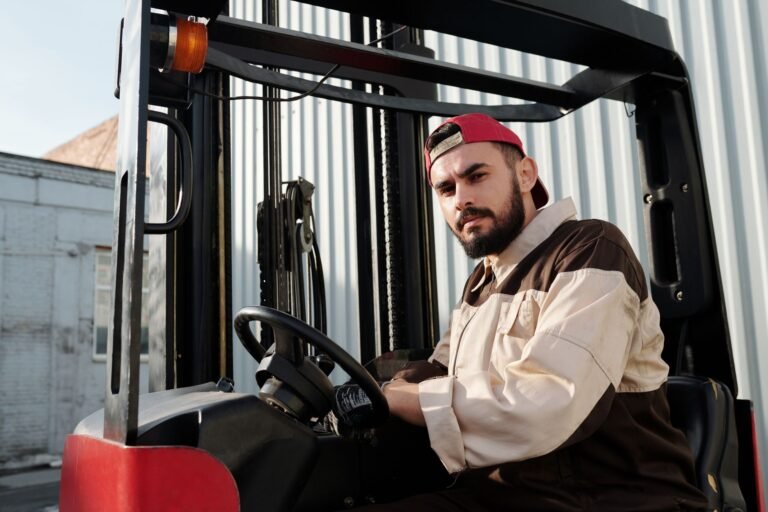

Dublin Bus, largest public transport provider, pays part-time drivers a flat rate of €22.18 per hour, with shift pay and Sunday bonus already built into that figure. Furthermore, data shows the average bus driver earning €38,600 per year, 14% above the national average, with top earners reaching €54,500.
What Does a Bus Driver Do?
Safe driving, customer service, and route knowledge — the role combines technical skill with genuine public-facing responsibility
Core day-to-day duties
A professional bus driver transports passengers safely along a specified route according to a fixed timetable. Core duties include operating the vehicle skilfully in busy urban traffic, announcing stops clearly, and assisting passengers, particularly those with mobility needs or buggies. Additionally, drivers handle fare collection or ticket validation, answer questions about routes and services, and maintain a calm, professional manner even during delays or difficult passenger interactions. Furthermore, drivers are responsible for basic vehicle checks before each shift, ensuring the bus is roadworthy and that heating, lighting, and ventilation systems function correctly for passenger comfort.
The customer service dimension
Beyond driving itself, the role carries a significant customer service component. Drivers represent the public face of their transport operator for thousands of passengers every day, and maintaining good relations with the general public is explicitly listed as a core responsibility. Moreover, drivers must read and interpret time schedules, street signs, traffic signs, and head signs accurately while managing the flow of passengers boarding and alighting. Consequently, strong communication skills and patience are just as important as technical driving ability in this role.
Shift patterns and working conditions
Bus driving in Ireland typically involves shift work covering early mornings, evenings, and weekends, since public transport operates across extended hours every day of the week. Part-time drivers at Dublin Bus, for example, work a minimum of two days per week and are rostered to work every Sunday plus one additional weekday based on operational need. Therefore, candidates considering this career should expect genuine shift flexibility to be a requirement rather than an occasional ask.
- Dublin Bus — Bus Driver Careers — Official Dublin Bus careers page detailing requirements, benefits, and the application process for driver roles
Getting Your Bus Licence: The D Category
A Category D licence is mandatory — here is exactly what the process involves and how long it takes
Who can apply: the basic eligibility
To begin training as a professional bus driver in Ireland, candidates must hold a valid Category B (car) driving licence for a minimum of two years, with no endorsements or penalty points. Bus Éireann, for instance, accepts applicants holding either a Category B licence for two years or a Category C licence with no endorsements. Furthermore, most operators require candidates to be at least 21 years old, since this is the minimum age set out for Category D licence holders under Irish and EU driving regulations. Therefore, younger candidates interested in this career should plan to build their Category B driving history early, so they meet the threshold as soon as they turn 21.
The Category D licensing process
The Road Safety Authority (RSA) governs the official process for obtaining a Category D bus licence in Ireland, which involves a learner permit, theory test, and practical driving test specific to large passenger vehicles. Additionally, drivers must obtain a Driver CPC (Certificate of Professional Competence), a separate qualification required for anyone driving buses or coaches professionally. Crucially, the CPC Bus Case Study sheet is only valid for two years from its date of issue, so timing your application carefully matters if you are completing the qualification independently before applying to an employer.
Employer-funded training: the more common route
In practice, most new bus drivers in Ireland obtain their Category D licence through employer-funded training rather than independently. Dublin Bus, for example, runs a six-week, full-time training programme for candidates who hold only a Category B licence, or a shorter four-week programme for those who already hold a Category D licence. Moreover, successful candidates are paid throughout this training period — Dublin Bus pays €701.31 per week during the programme — meaning new drivers earn a salary while still learning rather than funding the qualification themselves. Consequently, this employer-funded route removes one of the biggest practical barriers to entering the profession.
- Road Safety Authority — Bus (Category D) Licensing — Official RSA guidance on the learner permit, theory test, and practical driving test process for Category D
Pay Rates in 2026: What Drivers Actually Earn
€33,000 for entry-level drivers up to €54,500 for experienced senior drivers — here is the full picture across multiple data sources
Average salary across sources
Multiple independent sources broadly agree on bus driver pay in Ireland, though figures vary depending on location and employer type. Glassdoor’s Dublin-specific data shows an average of €38,600 per year, with a typical range of €33,480 to €49,880 and top earners reaching €54,500. ERI SalaryExpert places the Dublin average slightly higher at €44,820 per year, including an average bonus of €1,062, noting this figure sits 9% above the wider Irish average. Jobted Ireland’s broader national data shows an average of €36,592 gross per year, equivalent to approximately €703 per week. Therefore, a realistic expectation for a qualified bus driver in the Dublin area in 2026 sits between €36,000 and €45,000 per year, depending on the specific employer and hours worked.
Entry-level versus experienced pay
Experience drives a clear and measurable difference in bus driver earnings. ERI SalaryExpert’s data shows entry-level drivers with one to three years of experience earning an average of €33,204, while senior drivers with eight or more years of experience earn an average of €50,133. Jobted Ireland’s data tells a similar story by experience band: drivers with less than three years earn approximately €600 gross per week, those with four to nine years earn around €700, and those with ten to twenty years earn approximately €780 per week. Furthermore, drivers with more than twenty years of service may earn upwards of €800 per week, reflecting the seniority-based pay structures common across Irish transport operators.
How employer type affects pay
Jobted Ireland’s analysis notes that school bus drivers tend to earn the lowest wages in the sector, while Bus Éireann and Dublin Bus drivers enjoy among the highest. This reflects the scale, unionisation, and structured pay bands typically found at large state-supported operators compared to smaller private school transport contractors. Consequently, candidates prioritising long-term earning potential should target the major state and semi-state operators rather than smaller private contractors, where pay tends to track closer to entry-level rates regardless of experience.
- Glassdoor — Bus Driver Salaries Dublin — Salary data based on 71 employee submissions for bus drivers in Dublin, Ireland
Dublin Bus, Bus Éireann & Go-Ahead Compared
Three major operators, three different pay structures — here is how the biggest employers in Irish public transport compare
Dublin Bus
Dublin Bus is Ireland’s largest public transport provider, recruiting both full-time and part-time professional drivers across the capital. Part-time drivers earn a flat rate of €22.18 per hour, with shift pay and Sunday bonus already incorporated, and work a minimum of two days per week including every Sunday. Furthermore, the role comes with a comprehensive benefits package, including a pension scheme, family-friendly leave, a medical (GP) scheme, subsidised travel facilities, access to a credit union, an employee assistance programme, and gym facilities at each depot. Consequently, Dublin Bus offers one of the more comprehensive total packages available to entry-level drivers in the sector.
Bus Éireann
Bus Éireann operates Ireland’s national bus network, recruiting professional driver trainees across Cork, Dublin (with training based in Dundalk or Drogheda), Galway, and Limerick. Eligibility requires a valid Irish Category B licence held for at least two years, or a Category C licence with no endorsements, plus a valid CPC Bus Case Study sheet if the candidate already holds one. Moreover, Bus Éireann explicitly emphasises excellent interpersonal skills and fluency in English, both written and spoken, as part of its recruitment criteria, reflecting the customer-facing nature of inter-city and regional bus services.
Go-Ahead Ireland
Go-Ahead Ireland describes itself as Dublin’s fastest-growing public transport bus operator, serving over a million passengers each month and expanding into new areas including North Wicklow and Dublin 15. Trainee drivers start on €14.40 per hour during a brief training period, rising to a Band 1 rate of €17.40 per hour upon qualification, with enhanced rates of €20.88 on Sundays and Bank Holidays. Furthermore, qualified drivers progress through five distinct pay bands over time, giving a clear and structured path for pay growth as drivers gain experience and seniority within the company.
- Go-Ahead Ireland — We Are Hiring — Current trainee and qualified bus driver vacancies across Greater Dublin, including pay band details
How to Apply & What Training Involves
From your initial application to your first solo shift — here is the realistic timeline for becoming a qualified bus driver in Ireland
Step 1 — Confirm you meet the minimum criteria
Before applying to any operator, confirm you hold a valid Category B Irish car licence for at least two years with no endorsements, and that you meet the minimum age requirement, typically 21. Dublin Bus explicitly states that applicants must hold one of the listed minimum licence criteria before submitting an application, and the required supporting documents must accompany the application form itself. Therefore, gathering your licence documentation and confirming your eligibility before applying saves time and avoids an automatic rejection at the first stage.
Step 2 — Submit your application and attend assessment
Applications for major operators such as Dublin Bus and Bus Éireann are submitted directly through their official careers pages. The recruitment process typically includes an application review, an interview assessing interpersonal skills and customer service aptitude, and in many cases a driving assessment to evaluate existing vehicle control before training begins. Furthermore, employers place significant weight on a clean driving history and a demonstrable ability to communicate clearly and calmly, since these qualities directly predict success in a public-facing driving role.
Step 3 — Complete paid training and qualify
Once accepted, successful candidates enter a structured, paid training programme. At Dublin Bus, this runs for six weeks full-time for those starting with only a Category B licence, or four weeks for those who already hold a Category D licence, with trainees earning €701.31 per week throughout. Moreover, training combines classroom instruction, supervised practical driving, and mentoring from experienced drivers, alongside ongoing development such as periodic CPC refresher training required to maintain professional certification. Consequently, the entire journey from application to qualified, independent driving typically takes between one and three months, depending on prior licence status and the specific operator’s programme length.
- Bus Éireann — Professional Bus Driver Training Programme — Official Bus Éireann recruitment page detailing eligibility criteria and training locations nationwide
Pay Progression Table
Trainee to senior driver — how bus driver pay grows over a career in Ireland’s public transport sector in 2026
How progression typically works
Bus driver pay in Ireland generally follows a structured progression tied to both length of service and, at some operators, formal pay bands. Trainees earn a fixed training rate during their qualification period, after which they move onto a qualified driver rate that increases incrementally with tenure. Furthermore, premium rates for Sundays and Bank Holidays apply consistently across the sector, regardless of employer, reflecting both legal entitlements and the genuinely unsocial nature of public transport scheduling. The table below summarises typical pay progression across the main stages of a bus driving career in Ireland in 2026.
| Career Stage | Experience | Pay (Ireland 2026) | Notes |
|---|---|---|---|
| Trainee Driver | 0 (in training) | €14.40–€22.18/hr (paid during training) | Varies by operator; Dublin Bus pays €701.31/week flat |
| Entry-Level Qualified Driver | 0–3 years | €33,204–€36,592/yr | Band 1 rates apply at most operators |
| Mid-Career Driver | 4–9 years | €36,400/yr (~€700/week) | Progression through pay bands |
| Experienced Driver | 10–20 years | €40,560/yr (~€780/week) | Senior pay band, higher seniority benefits |
| Senior Driver | 20+ years | €50,133+/yr | Top of pay scale at major operators |
Trainee Driver
Pay: €14.40–€22.18/hr (paid during training)
Notes: Varies by operator; Dublin Bus pays €701.31/week flat
Entry-Level Qualified Driver — 0–3 years
Pay: €33,204–€36,592/yr
Notes: Band 1 rates apply at most operators
Mid-Career Driver — 4–9 years
Pay: ~€36,400/yr (~€700/week)
Notes: Progression through pay bands
Senior Driver — 20+ years
Pay: €50,133+/yr
Notes: Top of pay scale at major operators