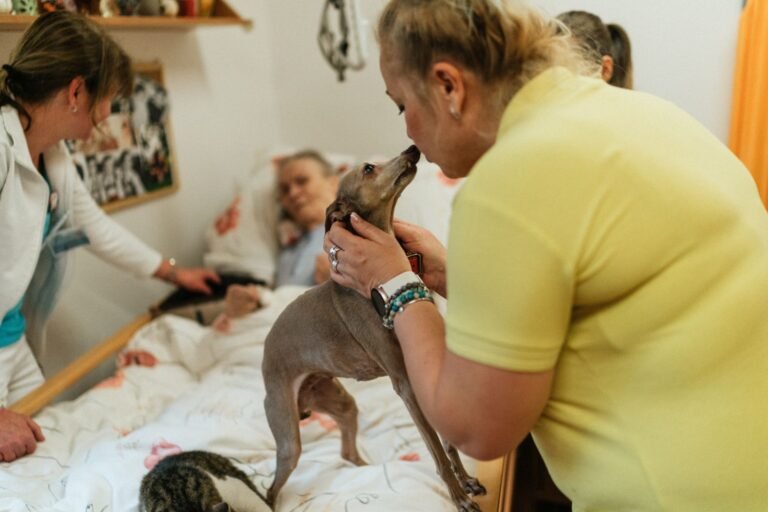

The Workplace Relations Commission sets the legally enforceable minimum rate for an Early Years Educator at €15.00 per hour. A new Employment Regulation Order brought this rate into force in October 2025. The update affects an estimated 35,000 workers across the sector.
What Does a Childcare Worker Do?
Early education, play-based learning, and genuine care — the role goes well beyond simple supervision
Core day-to-day responsibilities
A childcare worker — officially titled an Early Years Educator under Irish employment law — cares for and educates children, typically from birth to six years old. Core duties include planning age-appropriate play activities, supervising mealtimes and naptimes, and supporting children’s social and emotional growth. Additionally, maintaining a safe and stimulating environment is a constant, daily task. Furthermore, educators observe and record each child’s developmental progress, often using Aistear, Ireland’s national early childhood curriculum framework. Finally, warm and clear communication with parents about their child’s day forms an important part of the job.
Settings where childcare workers are employed
Childcare workers in Ireland find employment across several settings. These include full daycare creches, Montessori preschools, and sessional preschool services that deliver the free ECCE (Early Childhood Care and Education) scheme. After-school and school-age childcare services represent another option. Childminding services round out the list. Notably, each setting carries a slightly different rhythm and focus. For example, full daycare creches often care for children across the full working day, while sessional preschools typically run shorter, structured sessions focused on early education. By contrast, after-school childcare practitioners work with primary school-aged children, supporting homework, play, and social development outside school hours.
The emotional and developmental impact of the role
Early Childhood Ireland — the sector’s main representative body — stresses that early years educators support children during the most formative years of their lives. Therefore, this work lays the foundation for lifelong learning and wellbeing. Consequently, the role carries genuine developmental significance well beyond simple supervision. However, the sector itself admits that pay has historically lagged behind the level of skill and responsibility the job demands. As a result, campaigners continue to push for pay parity with primary school teachers in the years ahead.
- Early Childhood Ireland — The sector’s representative body, with policy updates, sector news, and career resources for childcare workers
Qualifications: QQI Level 5 & Beyond
A QQI Level 5 in Early Learning and Care is the standard entry point — and it directly sets your pay rate under Irish law
QQI Level 5: the entry-level qualification
The QQI Level 5 Major Award in Early Learning and Care serves as the recognised entry-level qualification for Irish childcare settings. It comprises multiple modules covering child development, health and safety, curriculum planning, and child protection. Furthermore, this qualification satisfies the rules that Tusla, Ireland’s child and family agency, sets for staff who work directly with children in registered early years services. Most job advertisements list a minimum QQI Level 5 — or its older equivalent, FETAC Level 5 — as a strict requirement. Therefore, candidates without it stand little chance of landing a direct childcare role.
QQI Level 6 and progression to Lead Educator
A QQI Level 6 qualification builds on the Level 5 award. Increasingly, employers ask for it when filling Lead Educator (Room Leader) positions, which carry responsibility for a specific group of children and a higher rate of pay. Several job listings explicitly state that candidates need a Level 6 qualification, or at minimum one year of relevant childcare experience, for these supervisory roles. Consequently, anyone pursuing a long-term career in the sector should consider progressing toward Level 6 even after entering with only a Level 5 award. This step materially improves both pay and promotion prospects.
The graduate rate: QQI Level 7 and above
A distinct and meaningfully higher pay band exists for staff who hold a QQI Level 7 degree-level qualification or higher, approved by the Department of Children, Equality, Disability, Integration and Youth (DCEDIY). Officials term this the “graduate rate” under the current Employment Regulation Order, and it applies specifically to Graduate Lead Educators and Graduate Centre Managers. Notably, recent ERO updates dropped the previous three-year paid-experience requirement before graduates could access this higher rate. As a result, Level 7 graduates now reach the graduate pay scale faster than under the older rules. In short, a Level 7 qualification in Early Childhood Care and Education offers the most direct route to higher pay within the sector.
Pay Rates in 2026: The Official ERO Scale
€15.00 to €17.50 per hour — these are the legally binding minimum rates across the entire sector
Understanding the Employment Regulation Order
An Employment Regulation Order (ERO) sets statutory minimum rates of pay for a specific sector in Ireland. Childcare counts as one of relatively few sectors this mechanism covers. The current ERO for the Early Learning and Childcare sector took effect on 13 October 2025, replacing the previous 2024 Order. Crucially, the rates apply to all hours worked, including both contact hours with children and non-contact hours such as planning and administration. Employers cannot legally pay below these rates, although many choose to pay more for experienced or highly qualified staff.
The official 2026 rates by role
Under the current ERO, Early Years Educators and School-Age Childcare Practitioners earn a minimum of €15.00 per hour. This rate applies to those wholly or mainly in direct contact with children. Meanwhile, Lead Educators (Room Leaders) and School-Age Childcare Coordinators earn a minimum of €16.00 per hour, reflecting their responsibility for a specific group of children. Graduate Lead Educators and Graduate Coordinators, holding an approved QQI Level 7 qualification, earn €17.50 per hour. Overall, this marks an average increase of approximately 10% in minimum rates compared to the previous order — an uplift designed to tackle long-standing recruitment and retention problems in the sector.
How this translates to annual earnings
Translating these hourly rates into annual figures depends heavily on contracted hours, which vary considerably across the sector. For example, a full-time Early Years Educator working 39 hours per week at the minimum ERO rate would earn approximately €30,420 per year before tax. ERI SalaryExpert’s broader market data puts the average childcare worker salary in Ireland at €28,696 per year — a figure consistent with a full-time role at or slightly above the ERO minimum. However, many childcare roles, particularly in sessional preschool services delivering the ECCE programme, run part-time or term-time only. Consequently, actual annual earnings can fall well below the full-time equivalent figure for staff who do not work full hours year-round.
- QQI Level 5 & 6 Childcare Major Awards — Complete Guide — Detailed breakdown of entry requirements, course content, and career outcomes for both qualification levels
Where the Demand Is Right Now
Dublin and commuter counties show the highest volume of vacancies — but recruitment challenges make demand genuinely nationwide
Dublin and the commuter belt
Dublin shows the highest concentration of childcare job listings in Ireland. Its population density and high number of working parents explain much of this demand. In addition, commuter counties surrounding Dublin — including Kildare, Meath, and Wicklow — show consistent demand, driven by population growth over the past decade. For instance, employers such as Daisy Chain Montessori & Childcare, Little Scholars, and Tots Creche keep recruiting across multiple locations in and around the capital.
Recruitment and retention challenges nationwide
Despite the concentration of listings in Dublin, recruitment and retention challenges remain a nationwide feature of the Irish childcare sector. Early Childhood Ireland repeatedly raises this point in its policy submissions to government. Consequently, qualified candidates find demand well beyond the capital, including in regional towns and rural areas where smaller creches and Montessori services often struggle to fill vacancies. The higher ERO rates, together with additional Core Funding support, specifically aim to ease this nationwide shortage and make the sector more financially attractive to new and returning staff.
After-school and school-age childcare growth
After-school childcare forms a growing segment of the sector. Rising numbers of working parents who need care for primary school-aged children outside school hours drive this growth. For example, listings for after-school childcare assistants — such as those at Little Blooms After School — show consistent demand, typically for shorter daily shifts, say 2pm to 5pm during the school term. As a result, this segment particularly suits candidates seeking part-time hours that fit around their own family or study commitments. Since the shift pattern naturally aligns with the school day, it combines easily with other responsibilities.
- Glassdoor Ireland — Childcare Worker Jobs — Browse current childcare vacancies across Ireland with employer reviews and pay details
How to Apply & Career Progression
From your first QQI module to Centre Manager — childcare offers a genuinely structured career path for those who want it
Getting your qualification before applying
Since the QQI Level 5 qualification is a near-universal requirement, most candidates start by enrolling in an Early Learning and Care course. Local Education and Training Boards (ETBs), further education colleges, and accredited private training providers all run these courses. Typically, they combine classroom learning with a mandatory work placement in a real childcare setting, giving candidates genuine practical experience before they formally enter employment. As a result, many candidates complete this qualification while working part-time in an unqualified support role, building certification and practical experience at the same time.
Applying for your first role
When applying for childcare roles, state your qualification level, your placement or work experience, and your availability clearly on your CV. Mention whether you can work full school terms or only part of the year. Additionally, almost every employer asks for references. In fact, many request written references as standard practice, given the vulnerable nature of the client group. Furthermore, every childcare worker must complete Garda vetting before starting work — a legal requirement for anyone working with children in Ireland. Therefore, start this process as early as possible once you accept a role.
The career ladder: from educator to centre manager
Childcare in Ireland offers a genuinely structured career ladder. Typically, progression runs from Early Years Educator to Lead Educator (Room Leader), then to Deputy or Assistant Manager, and ultimately to Centre Manager. Generally, each step demands both additional experience and, often, a higher qualification level, so continuing professional development directly translates into career and pay progression. Moreover, some experienced educators move into specialist roles supporting children with additional needs through the Access and Inclusion Model (AIM), which places dedicated support workers within mainstream childcare settings.
- Indeed Ireland — Childcare QQI Level 5 Jobs — Browse current childcare vacancies requiring a QQI Level 5 qualification across Dublin and nationwide
Pay by Role: Comparison Table
Educator to Graduate Centre Manager — the official ERO pay structure across the full childcare career ladder in Ireland in 2026
How to read the official scale
The table below reflects the legally binding minimum rates the current Employment Regulation Order sets for the Early Learning and Childcare sector, effective from October 2025. Importantly, these are minimum rates only. Many employers, particularly larger creche chains and those facing acute staff shortages, choose to pay above these figures to attract and retain staff. Additionally, the annual salary estimates assume a standard 39-hour working week. Therefore, actual annual earnings will run lower for staff on part-time or term-time-only contracts, which remain common in sessional preschool settings.
| Role | Minimum Hourly Rate (ERO 2025/26) | Approx. Full-Time Annual | Qualification Required |
|---|---|---|---|
| Early Years Educator / SAC Practitioner | €15.00/hr | ~€30,420 | QQI Level 5 minimum |
| Lead Educator (Room Leader) / SAC Coordinator | €16.00/hr | ~€32,448 | QQI Level 6 or 1+ year experience |
| Graduate Lead Educator / SAC Coordinator | €17.50/hr | ~€35,490 | QQI Level 7+ (DCEDIY approved) |
| Deputy / Assistant Manager | Above ERO minimum (negotiated) | €32,000–€38,000 | QQI Level 6/7 + management experience |
| Graduate Centre Manager | Above ERO graduate rate | €38,000–€48,000+ | QQI Level 7+ + leadership experience |
Early Years Educator / SAC Practitioner
Rate: €15.00/hr (~€30,420/yr full-time)
Qualification: QQI Level 5 minimum
Lead Educator (Room Leader)
Rate: €16.00/hr (~€32,448/yr full-time)
Qualification: QQI Level 6 or 1+ year experience
Graduate Lead Educator
Rate: €17.50/hr (~€35,490/yr full-time)
Qualification: QQI Level 7+ (DCEDIY approved)
Graduate Centre Manager
Rate: €38,000–€48,000+/yr
Qualification: QQI Level 7+ + leadership experience