
The farm worker earning €33,431 per year, based on 44 salary reports updated in April 2026, with the related “farm hand” title showing a similar average of €34,173 per year across 205 reports.
As a result, farm work remains one of the most genuinely accessible sectors in Ireland, with low unemployment among Irish nationals in rural areas driving farmers toward both domestic and international hiring.
What Does Farm Work Involve?
Dairy, beef, mushrooms, and fruit — the specific daily tasks vary enormously depending on which sector you work in
Dairy and livestock work
Dairy farm work centres on the daily rhythm of milking, alongside calf rearing, feeding, and general herd management. Furthermore, real job listings confirm that good stockmanship and strong attention to animal welfare are essential, with specific tasks including assisting with breeding management during mating season and supporting spring calving operations. Beef farming follows a broadly similar pattern, focused on livestock handling, feeding, and breeding rather than the twice-daily milking schedule that defines dairy work specifically.
Fruit, vegetable, and mushroom production
Soft fruit, vegetable, and mushroom farming involve significantly different daily tasks, centred on planting, cultivating, and harvesting crops according to the specific growing season. Moreover, some roles require specific prior experience — one listing for vegetable production and market gardening work specifically requests a minimum of two years’ practical experience in this area. Additionally, mushroom growing facilities operate somewhat differently from open-field crops, often involving controlled indoor environments and more consistent, year-round scheduling than outdoor seasonal harvests.
General farm and equipment work
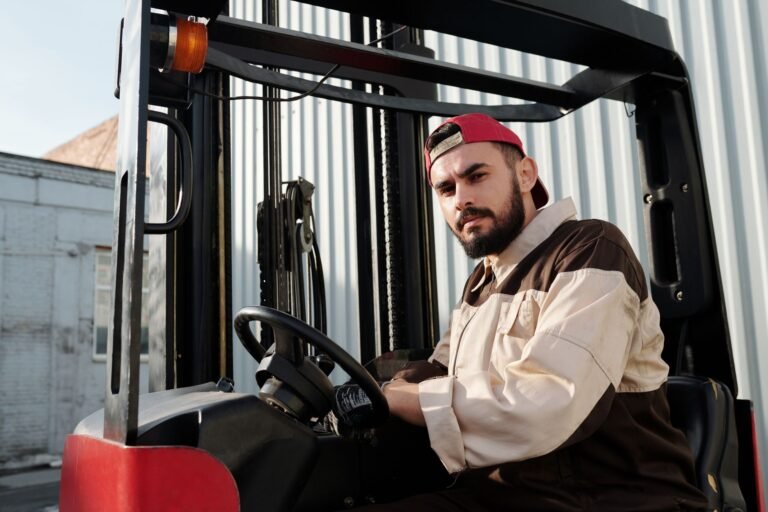
Beyond crop and livestock-specific tasks, many farm roles involve general maintenance of land, buildings, and equipment, often including tractor driving for tasks such as spraying orchards, cutting grass, and general field work. Furthermore, real listings confirm demand for tractor drivers specifically, separate from purely manual labour roles, reflecting the genuinely mechanised nature of much modern Irish farming. Consequently, candidates with tractor or machinery experience often find a wider range of opportunities than those offering manual labour alone.
- Glassdoor Ireland — Farm Worker Jobs — Current farm worker, farmhand, and tractor driver vacancies across Irish farms and agricultural employers
Seasonal vs Permanent Roles
Both genuinely exist in Ireland — understanding the difference helps you target the right type of work for your circumstances
Seasonal work patterns
Seasonal and temporary farm positions — typically running around six months — are common across soft fruit, vegetable, and mushroom farming, particularly during spring and summer when harvest demands peak. For example, one Dublin-area apple orchard recruits 20 to 30 seasonal pickers from mid-August to the end of October, offering free dormitory-style accommodation alongside payment per bin of apples picked. Furthermore, this piece-rate structure means motivated, experienced pickers can earn meaningfully more than a flat hourly wage, with the farm specifically noting that 50% higher earnings are achievable with experience.
Permanent and year-round positions
Permanent, year-round farm positions exist primarily in dairy and beef operations, where livestock require consistent daily care regardless of season. Moreover, several real listings confirm full-time, five-days-a-week dairy roles with cows calving as part of the regular workload, indicating these positions offer considerably more schedule stability than seasonal harvest work. Therefore, candidates seeking longer-term, predictable employment should specifically target livestock-focused farms rather than crop-harvest roles, which are inherently tied to a shorter growing season.
Choosing between the two
Seasonal work suits candidates seeking short-term income, an introduction to farm work before committing longer-term, or those who specifically want to combine a few months of intensive farm work with travel or other commitments during the rest of the year. Permanent roles, by contrast, suit those seeking a genuine long-term career within agriculture, often with greater opportunity to build specific livestock or machinery expertise over time. Consequently, clarifying your own priorities early helps focus your search on the right type of opportunity from the outset.
- Dairy Farm Recruitment Ireland — Specialist recruitment agency placing both seasonal and permanent dairy farm workers across Ireland
Pay in 2026: What Farm Workers Earn
€28,500 to €38,000 depending on source and sector — plus piece-rate options during fruit harvest season
What the broader data shows
Salary data for farm workers in Ireland varies meaningfully across sources. Indeed Ireland’s data shows farm workers averaging €33,431 per year and farm hands averaging €34,173 per year. Glassdoor’s more limited sample shows a lower average of €28,500 per year, with a typical range of €27,865 to €30,934. Furthermore, ERI’s data for crop farm workers specifically shows a notably higher average of €38,312 per year, equivalent to roughly €18 per hour. Therefore, a realistic expectation for farm work in Ireland in 2026 spans roughly €28,000 to €38,000 annually, with the specific sector, role, and employer all influencing where within that range any individual position sits.
Piece-rate pay for fruit picking
Fruit picking roles frequently use a piece-rate payment structure rather than a flat hourly wage. One real apple orchard listing pays per bin of apples picked, with workers typically earning €50 to €60 per day, and up to 50% more achievable with greater picking experience and speed. Moreover, this structure rewards efficient, experienced pickers considerably more than a standard hourly arrangement would, though it also means earnings can vary day to day depending on weather conditions and crop yield, since the listing notes work proceeds “weather permitting.”
Accommodation and other benefits
Seasonal farm roles, particularly those recruiting workers from outside the immediate local area, frequently include free accommodation as part of the overall package. The apple orchard example specifically offers free dormitory-style accommodation with self-catering kitchen facilities, toilets, and showers on site, though workers are asked to bring their own sleeping bag. Consequently, when evaluating a seasonal farm role, candidates should factor in the value of free accommodation alongside the headline daily or hourly rate, since this can represent significant additional value, particularly for workers relocating temporarily for the season.
- Indeed Ireland — Farm Worker Salaries & Jobs — Live salary data and current farm worker vacancies across Ireland
Work Permits for Non-EEA Candidates
Ireland’s dedicated Seasonal Employment Permit makes legal farm work genuinely accessible to international candidates
The Seasonal Employment Permit explained
Ireland introduced a dedicated Seasonal Employment Permit specifically because no equivalent work permit for seasonal workers previously existed. This permit, open to non-European Economic Area nationals, allows seasonal work for a maximum of seven months per year, running from 14 April until 13 November. Furthermore, this addresses a genuine, long-standing gap in Irish immigration policy, since seasonal agricultural demand simply does not fit neatly within permits designed for permanent employment.
General and critical skills employment permits
For longer-term or permanent farm roles, candidates typically require either a General Employment Permit or, for more specialised positions, a Critical Skills Employment Permit. Moreover, applications are submitted through Ireland’s Employment Permit Online System (EPOS), and employers must generally demonstrate they were unable to find a suitable candidate within the European Economic Area before sponsoring an international worker. Therefore, candidates pursuing this route typically need a confirmed job offer first, since the employer plays an active role in the permit application process.
What happens if your employment situation changes
If a permit holder’s employment situation changes, they have a grace period of up to 90 days to find a new employer willing to apply for a new or transferred permit on their behalf. Furthermore, it is important to notify the Employment Permits Unit promptly about any change in employment status during this period. If new employment cannot be secured within the grace period, the worker may be required to leave Ireland, making prompt action and clear communication with both current and prospective employers genuinely important throughout any transition.
- Fragomen — Ireland’s Seasonal Employment Permit Programme — Official analysis of the Seasonal Employment Permit, including duration and eligibility
How to Find Farm Work
From specialist agencies to direct farm listings — here is where the real vacancies are advertised
Specialist agricultural recruitment agencies
FRS (Farm Relief Services) operates as a significant agricultural employer and recruiter across Ireland, with active listings spanning multiple counties including Limerick, Tipperary, and Cork. Furthermore, Dairy Farm Recruitment specialises specifically in placing seasonal and permanent staff with Irish dairy farmers, with the agency’s founder bringing direct personal experience from living and working on a Dutch dairy and beef farm before emigrating to Ireland. Consequently, working through a specialist agricultural recruiter can connect candidates with vetted, established farm employers more efficiently than searching general job boards alone.
General job boards and direct listings
Indeed Ireland and Glassdoor Ireland both carry farm worker listings searchable by location, role type, and employer. Furthermore, dedicated agricultural job platforms specifically list picking and seasonal farm roles, often including direct contact details for smaller individual farms that may not maintain a presence on larger general job boards. Additionally, direct outreach to local farms — particularly during known harvest seasons for a specific crop — can surface opportunities that are never formally advertised at all.
What strengthens an application
For general farm labour and seasonal picking roles, demonstrated physical fitness, reliability, and a genuine willingness to work outdoors in variable weather conditions matter more than formal qualifications. Furthermore, for livestock-specific roles such as dairy or beef work, prior practical farm experience — even informal, family-based experience — is frequently listed as a requirement, given the skill and judgement involved in animal husbandry. Therefore, candidates without livestock experience may find crop, fruit, or general labour roles a more accessible entry point into Irish agricultural work before progressing toward more specialised livestock positions.
- EU Helpers — How to Get Farm Jobs in Ireland for Foreigners — Practical guide covering permits, sectors, and realistic expectations for international candidates
Pay by Sector: Comparison Table
Dairy, beef, fruit picking, and general labour — how pay and work patterns compare across Ireland’s main farm work sectors in 2026
Choosing the right sector
The right farm sector depends heavily on whether you are seeking short-term seasonal income or a longer-term agricultural career. Dairy and beef work offer the most schedule stability and permanent positions but require genuine prior livestock experience in most cases. Fruit picking offers accessible, piece-rate seasonal income with accommodation often included, but only for a limited window each year. General farm labour and tractor work sit between these, offering broader entry-level accessibility with somewhat more schedule variation than livestock roles. The table below summarises typical pay and conditions across these sectors in Ireland in 2026.
| Sector | Pay Range (2026) | Work Pattern | Experience Needed |
|---|---|---|---|
| Dairy / Beef Farming | €30,000–€38,000/yr | Permanent, year-round, daily routine | 2+ years livestock experience typical |
| Fruit Picking (seasonal) | €50–€90/day (piece-rate) | Aug–Oct, 6 days/week | None — experience boosts pay 50%+ |
| Vegetable / Mushroom Production | €28,000–€35,000/yr | Often year-round, controlled environment | None to 2 years depending on role |
| General Labour / Tractor Driver | €28,500–€34,000/yr | Full-time, varies by farm | None required; machinery experience valued |
Dairy / Beef Farming
Pay: €30,000–€38,000/yr
Pattern: Permanent, year-round, daily routine
Fruit Picking (seasonal)
Pay: €50–€90/day (piece-rate)
Pattern: Aug–Oct, 6 days/week
Vegetable / Mushroom Production
Pay: €28,000–€35,000/yr
Pattern: Often year-round, controlled environment
General Labour / Tractor Driver
Pay: €28,500–€34,000/yr
Pattern: Full-time, varies by farm